
-
The Printing Innovation that Changed the World: Moveable Type Printing Press

Imagine a world where every book, every word, or every letter had to be copied by hand! Every word meticulously transcribed, every page painstakingly reproduced often taking months or even years to produce a single volume. Knowledge traveled slowly, ideas were confined to the privileged few, and information was a precious commodity. Then came an invention that would reshape human history: the movable type printing press. The innovation didn’t just change the way we printed; it changed the way people thought, learned, and connected with one another. The Birth of Movable Type Long before Gutenberg’s press in 15th century Europe,…
-
The Stock Ticker: A Machine Printing Prices on Continuous Paper Ribbon
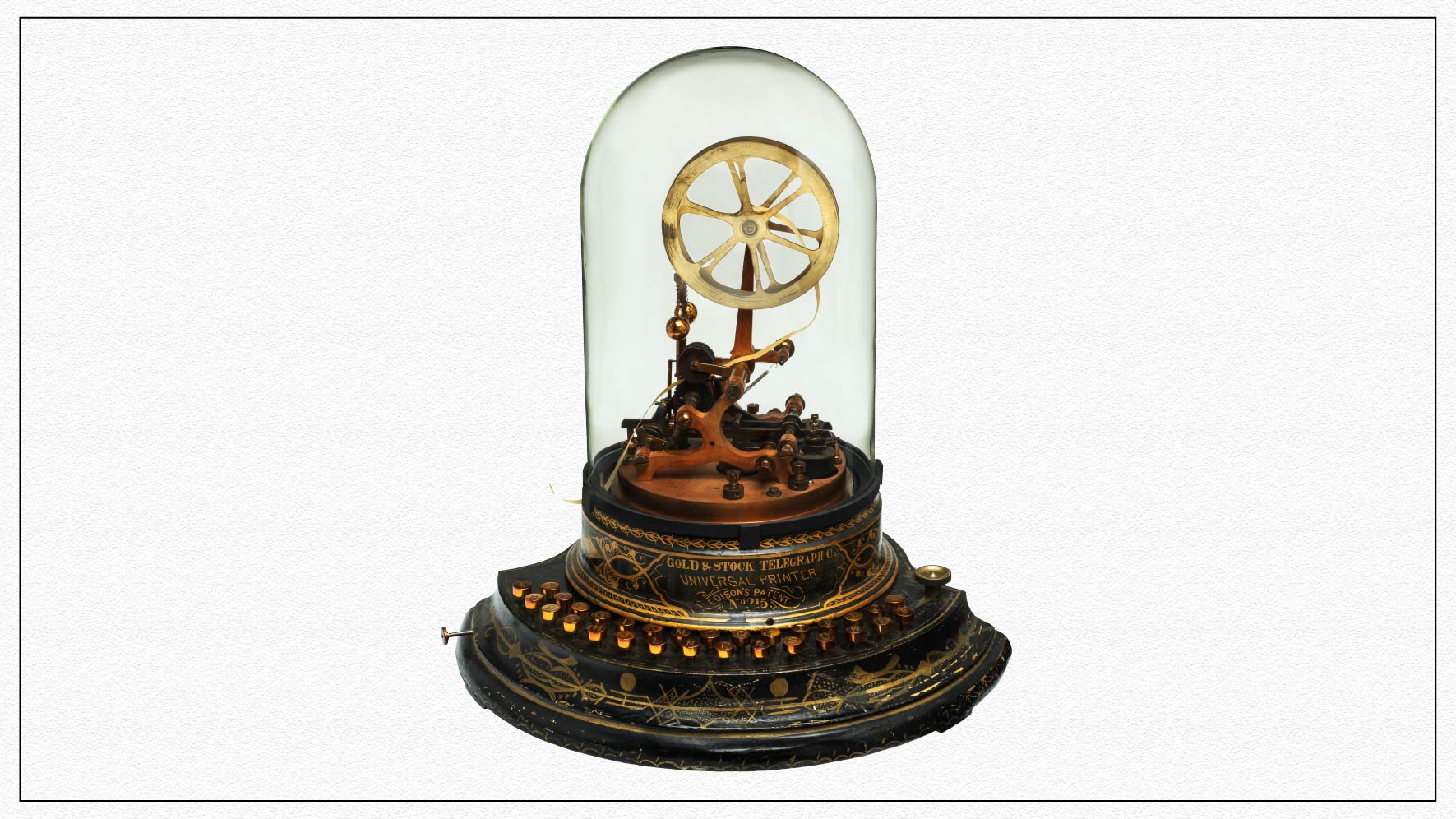
Before digital screens and instant notifications, stock prices traveled on paper. The stock ticker, a mechanical marvel, revolutionized how financial information moved across the world. Before the digital systems became widely adopted, ticker machines supplied vital stock market information to traders. Prices, symbols, and trades were printed line by line on the ticker tape, creating a continuous flow of data in real-time. A Small Machine That Powered Markets In the 19th century, stock exchanges were growing, but information moved slowly. Prices were written by hand, shared verbally, or sent as delayed reports. This created gaps between trades and awareness. The…
-
A Look Inside The New York Times Printing Facility
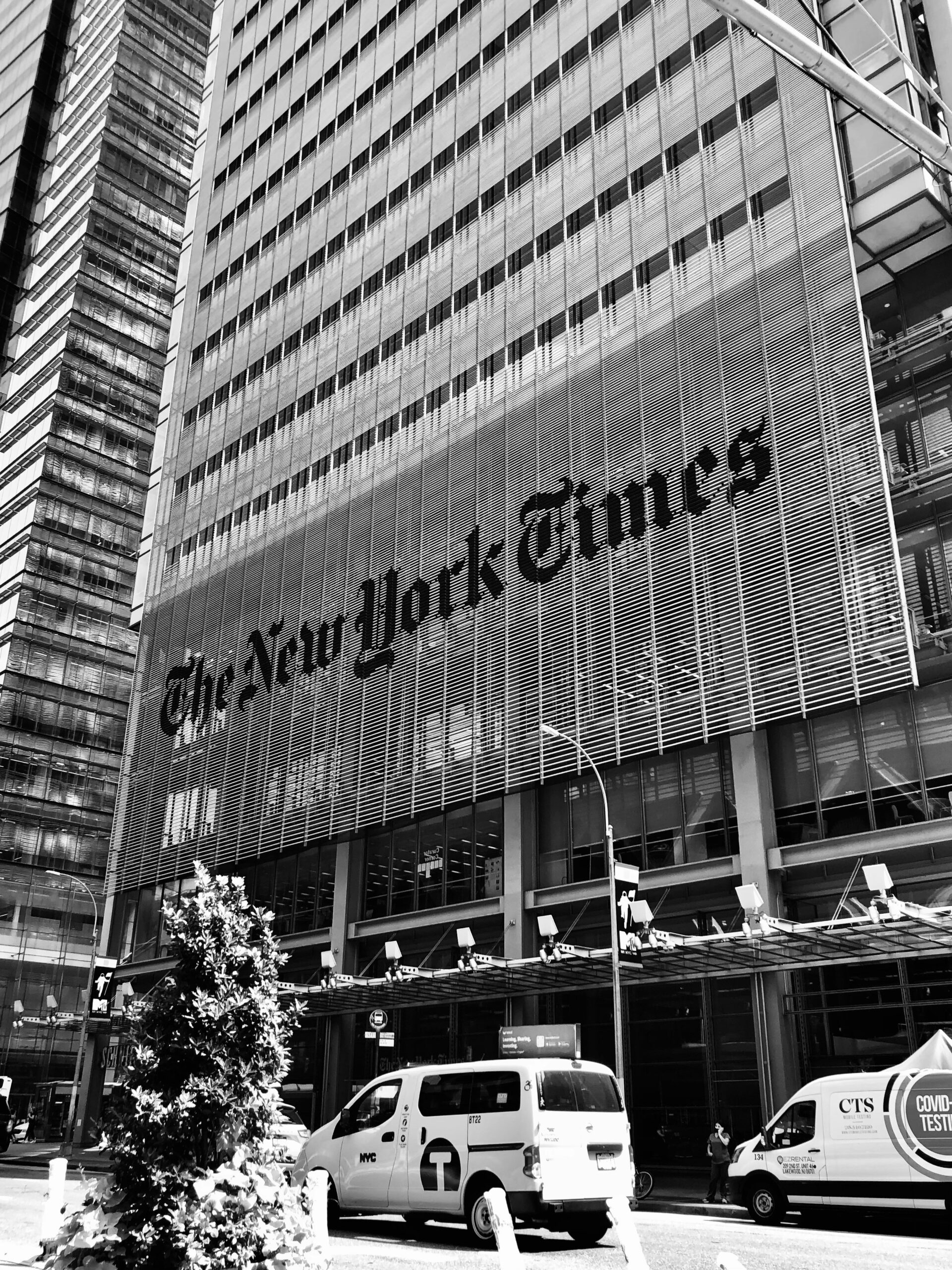
There’s something deeply satisfying about watching a perfectly orchestrated printing operation in full swing. At 10 PM in College Point, Queens, as most of the city winds down, a different kind of energy takes hold inside a 300,000 square foot facility where the magic of print comes alive. Every morning, The New York Times lands on doorsteps, newsstands, and coffee counters across the country. It’s folded, printed, and ready—without delay, without excuse. That delivery, that consistency, is what makes the newspaper feel real. And it all begins hours before, in a 300,000-square-foot printing plant in Queens. The New York Times,…
-
Can I Do That, Papa!?
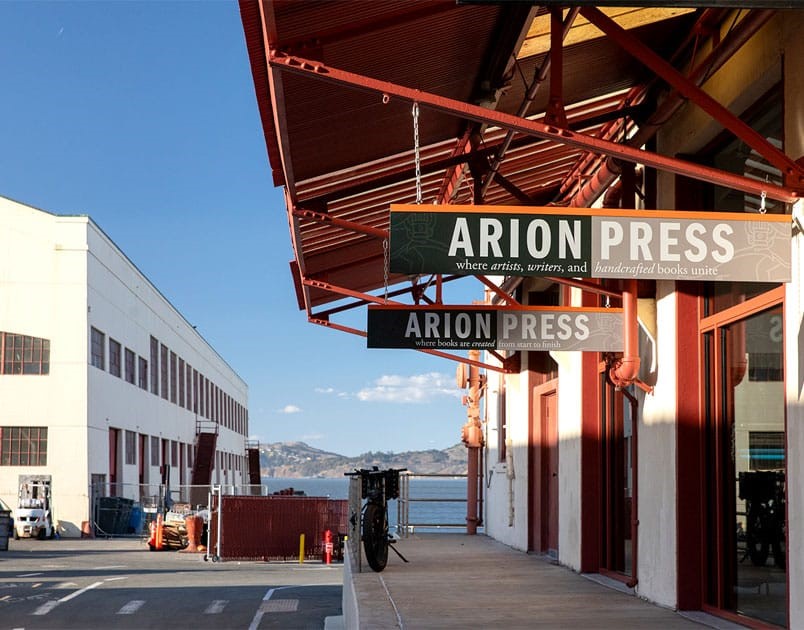
A Tale of Print That Will Melt Your Heart There’s a moment in every child’s life when they tug on their parent’s sleeve, wide-eyed and curious, and ask, “Can I do that, Papa?” Usually, it’s a question about something they’ve just seen—maybe a tool in a workshop, a brush dipped in paint, or a machine printing ink onto paper. This is a story about that question. About what it means to make something by hand, to take the time, and to believe in the value of the physical. It’s the story of Arion Press—the last of its kind in America. …
-
Timeline of Printing: From 2000-2024
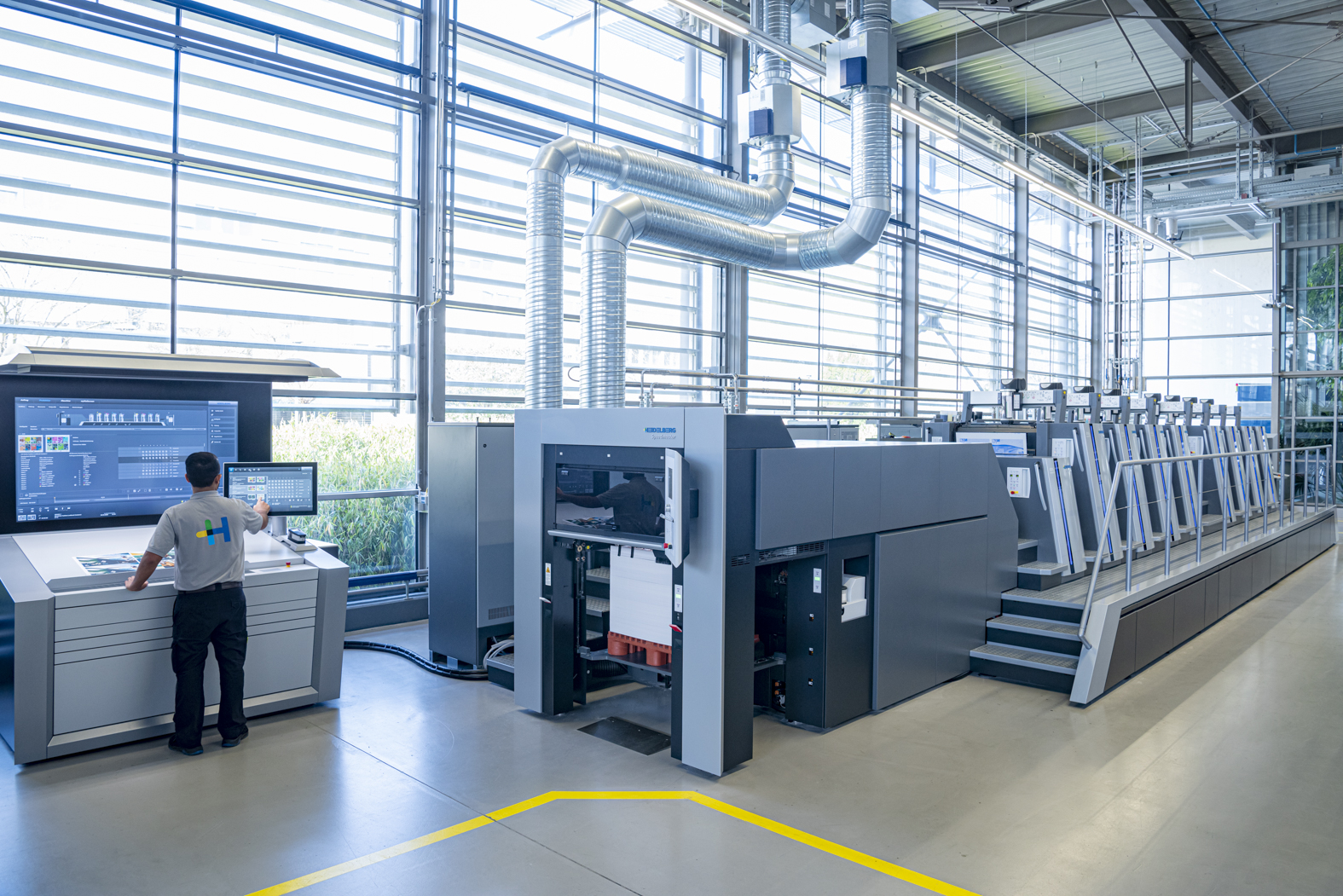
The last two decades have seen the printing industry transform at a remarkable pace, driven by rapid technological advancements, digital integration, and a shift towards sustainability. From the early adoption of digital presses to the rise of automation and AI, each milestone has reshaped how we produce and consume printed materials. This timeline captures the key developments from 2000 to 2024, highlighting the evolution of equipment, processes, and strategies that have defined modern printing. 2000 – Cortina waterless offset & NexPress For press manufacturers, drupa is an incredible success. Many of the big vendors, such as Heidelberg and Manroland, report an unprecedented number…
-
Automated Die Cutting: Achieving Zero Waste in Manufacturing
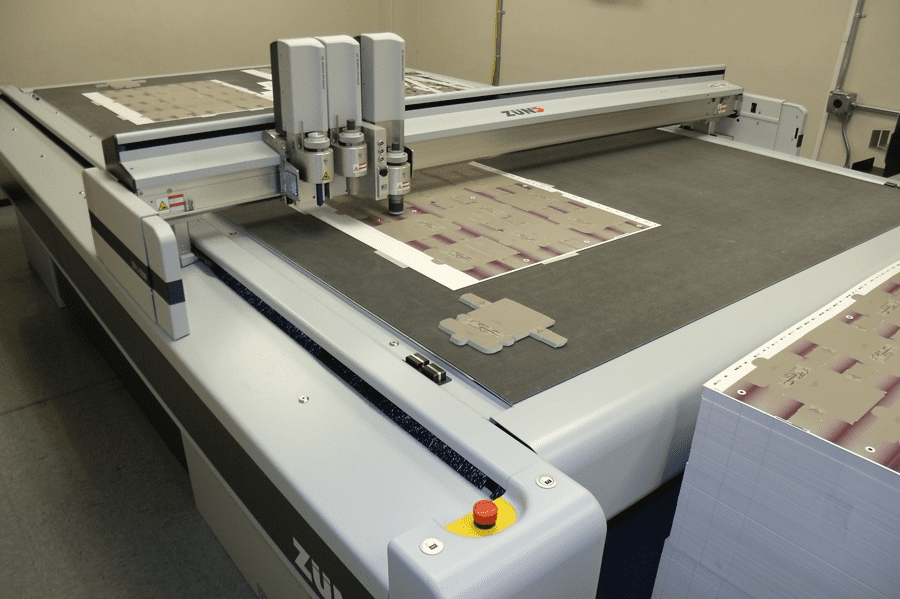
The vision of a sustainable future is one where fault-free folding cartons and corrugated boxes are produced by highly automated printing and converting lines controlled by centrally stored data and digitally connected throughout the entire value chain. As we continue to move away from manual intervention to reduce waste-creating errors and speed up production, flatbed die-cutting technology must be optimized to allow for higher productivity and cost-efficient manufacturing of fibre-based packaging, so converters can respond with confidence to the market trends of today and tomorrow. Overview of Packaging Market Trends The packaging market is driven by a number of trends…
-
Timeline of Printing in 20th Century: From 1950-1999
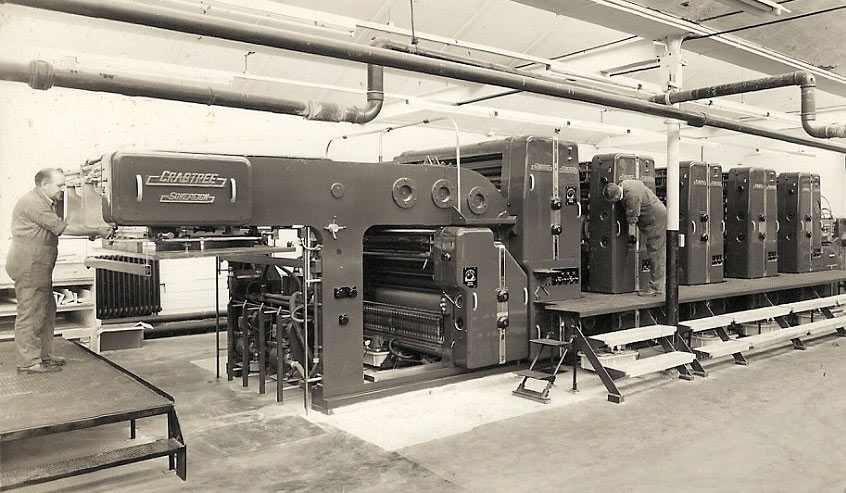
The second half of the twentieth century was a period of remarkable innovation in the printing industry. Offset lithography continued its dominance, but the landscape began to shift dramatically with the advent of digital presses and the desktop publishing revolution. Here’s a look at the pivotal moments that shaped the world of print from 1950 to 1999. 1951 – Heidelberg Tiegel is the star of the first drupa show The first drupa trade show is held in Dusseldorf, Germany. drupa, which stands for ‘Druck und Paper’ (print & paper), is a specialist trade fair for the printing industry. 1952 – Security printing In…
-
Timeline of Printing in 20th Century: From 1900-1949
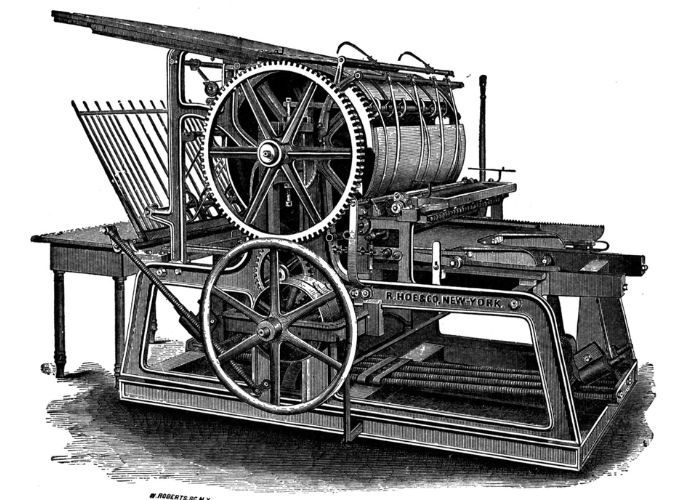
The first half of the 20th century witnessed a surge in mass media, forever altering how information and entertainment were consumed and disseminated. Magazines played a crucial role in this revolution, serving as gateways to diverse perspectives, shaping cultural trends, and influencing countless lives. Several magazines such as ‘the National Geographic Magazine’ (1888), ‘Life’ (1883, but focusing on photojournalism from 1936), ‘Time’ (1923), ‘Vogue’ (1892) and ‘The Reader’s Digest’ (1920) came into existence. At the heart of this media revolution was the advent of modern printing technology. The printing press, which had been refined and improved since its invention by…
-
Timeline of Print History in 19th Century
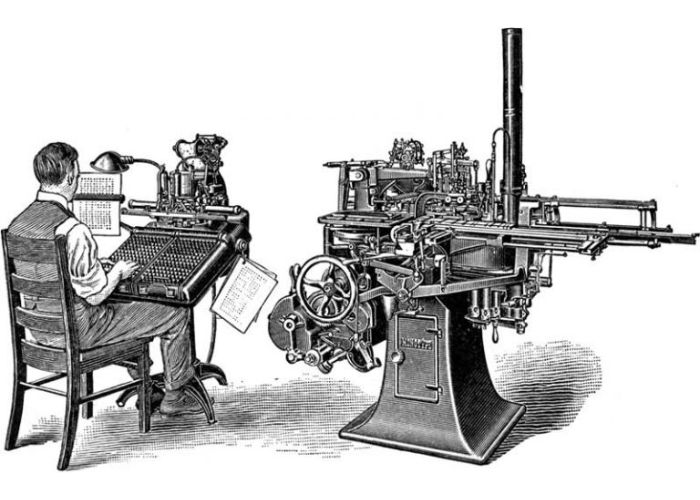
During the 19th century press productivity experienced significant growth, driven by advancements in construction and the adoption of steam power. Consequently, print materials became more affordable and readily available to the working class. An emblematic illustration of this phenomenon is the emergence of penny prints, inexpensive single-page publications often commemorating noteworthy and unconventional occurrences. In 1800, paper production in the United Kingdom amounted to 11,000 tons. By 1900, this figure soared to 652,000 tons, with a mere 4,000 tons attributed to handmade paper. 19th century penny print The example above is a humorous 19th-century penny print depicting a henpecked husband who…
-
HEIDELBERG Celebrates 175 Years of Excellence
From Bell Foundry to Global Player- A Journey of Innovation and Success. On March 11, 1850, the Hemmer, Hamm & Co. bell foundry and machine shop opened in Frankenthal, Germany. Initially manufacturing bells and printing presses, this small workshop laid the foundation for what would become Heidelberg Druckmaschinen AG (HEIDELBERG). Over the years, HEIDELBERG transformed into a global leader in the printing industry, driven by precision, quality, and innovation. A Legacy of Leadership Jürgen Otto, CEO of HEIDELBERG, reflects on the company’s enduring success: “A company that can sustain its success over such a long period, become a world leader in…
-
The Printing Press: How One Invention Changed the World
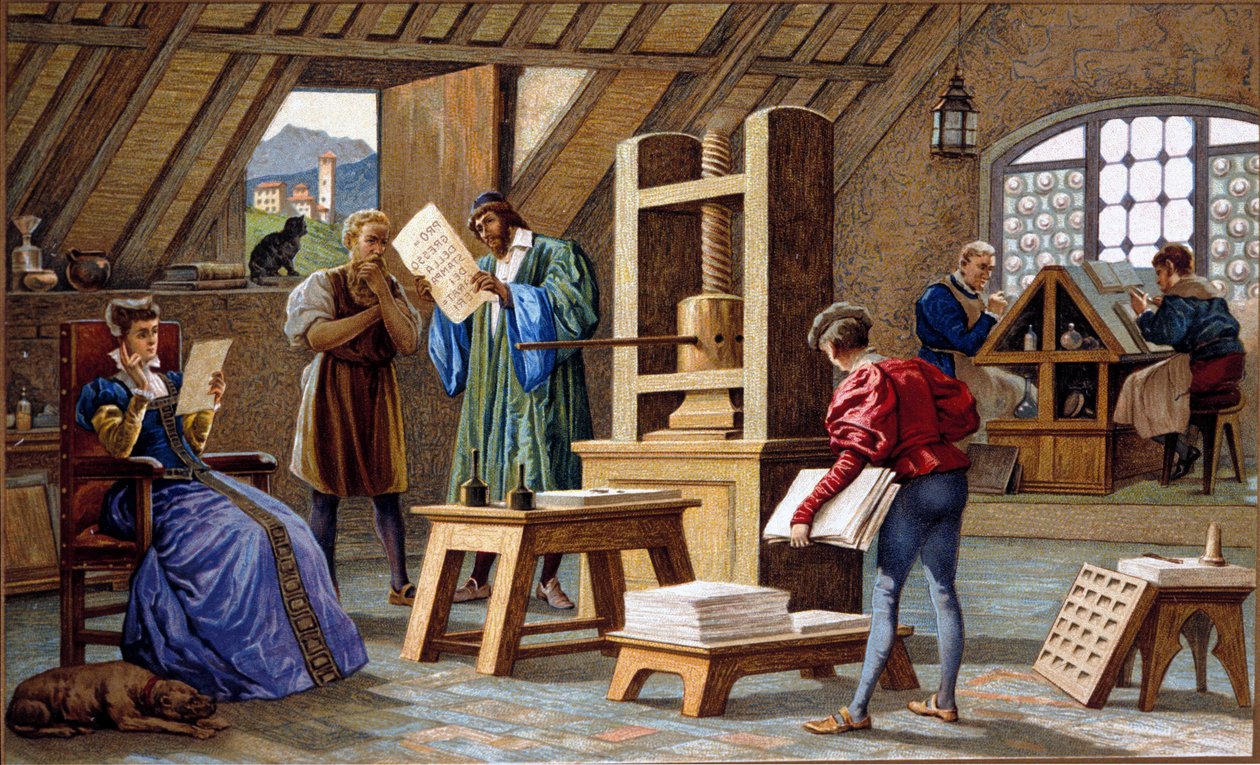
“Printing is the most beautiful gift from heaven. It soon will change the countenance of the universe…” – Louis-Sebástien Mercier The phrase “Knowledge is power” has never been truer than with the advent of the printing press. While Johannes Gutenberg is often credited with this groundbreaking 15th-century invention, it’s worth noting that he wasn’t the first to automate book production. Long before Gutenberg, the Chinese had developed woodblock printing in the 9th century, and Koreans were using movable metal type. So, what set Gutenberg’s press apart? Historians often highlight his innovative use of a screw-type wine press to apply even…
-
Pioneering Sustainability: Brands are Adopting Innovative Paper Solutions for a Greener Tomorrow
As environmental consciousness is on the rise, consumers are increasingly demanding sustainable and eco-friendly practices from businesses. One significant area that has gained attention is packaging. Traditional packaging often contributes to environmental degradation, but some forward-thinking brands are leading the way by adopting eco-friendly packaging solutions. From receipts that detail the carbon emissions of your purchase to metal-free RFID tags, we gather the latest examples of paper and print in action. The Guardian’s The Long Read In a move that defied the trend of digital dominance, or one might say a step towards a sustainable future, The Guardian had revived…
-
Automation is Not Only for Short-Run Booklet Making
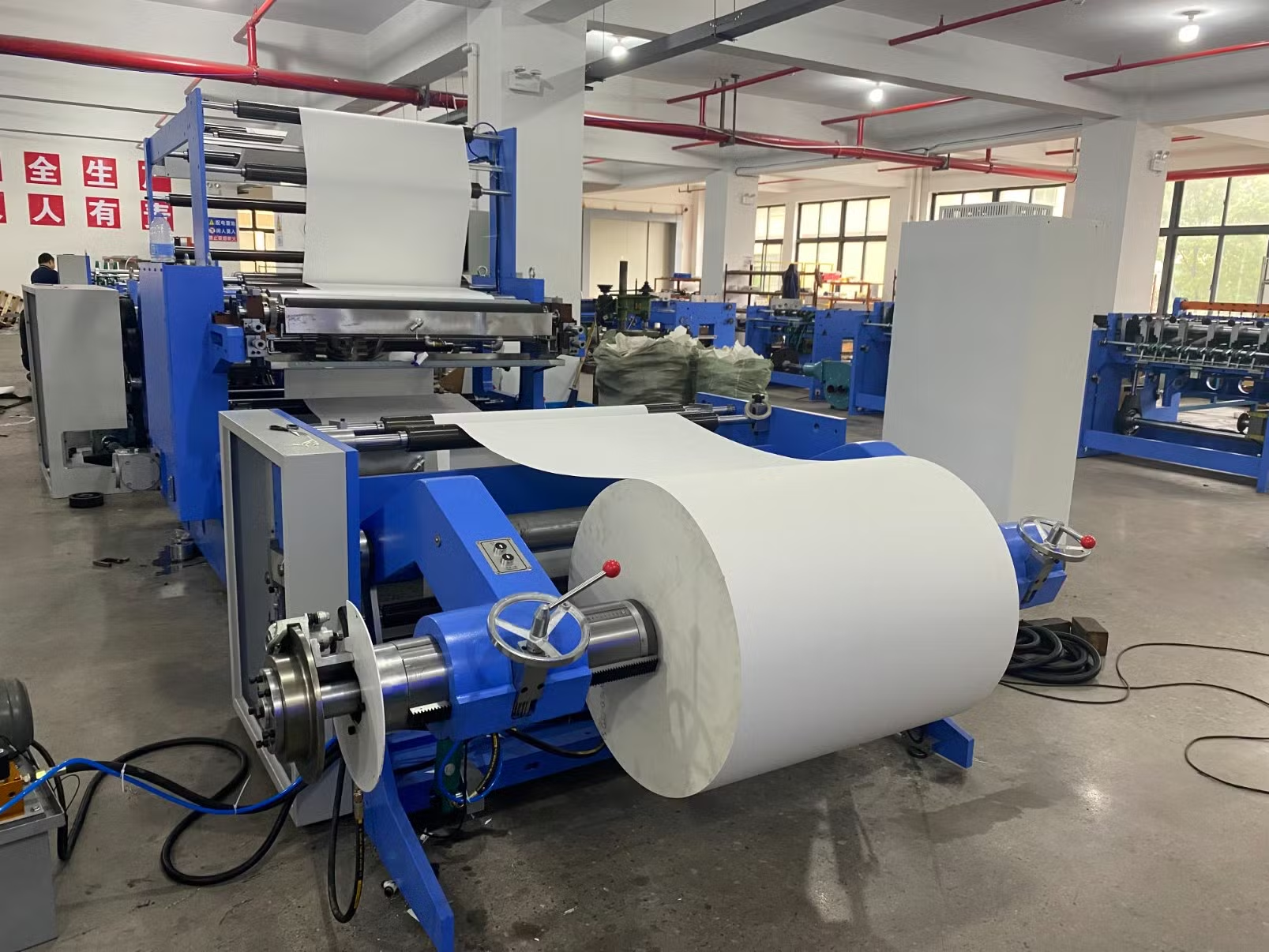
Automation in booklet making is no longer just a trend for short-run jobs; it has become essential for commercial printers striving to remain competitive in today’s print landscape. With a diminishing pool of skilled labor entering the industry, the demand for fully automated and user-friendly equipment is more critical than ever. The benefits of automated booklet making are numerous, including enhanced efficiency, significant cost savings, and superior quality with diverse finishing options. By investing in solutions that accommodate smaller quantities, variable data, and thicker applications—all while ensuring faster turnaround times—print service providers can thrive in the digital age. These advanced…
-
Integration of AI in Label Printing for Streamlined Operations

The label printing industry plays a critical role in various sectors, including manufacturing, logistics, healthcare, and retail. Label printing involves creating visually appealing designs that effectively communicate the desired message to consumers. In today’s competitive market, companies are constantly seeking innovative ways to enhance their label printing processes to improve efficiency, accuracy, and customization. Artificial Intelligence (AI) has emerged as a transformative technology with the potential to revolutionize various aspects of business operations, including label printing. This article explores the integration of AI with label printing services to address the evolving technology landscape and improve operational efficiency. Introduction AI-powered design tools…
-
The Difference Print Embellishment Makes: Improving Packaging and User Experience
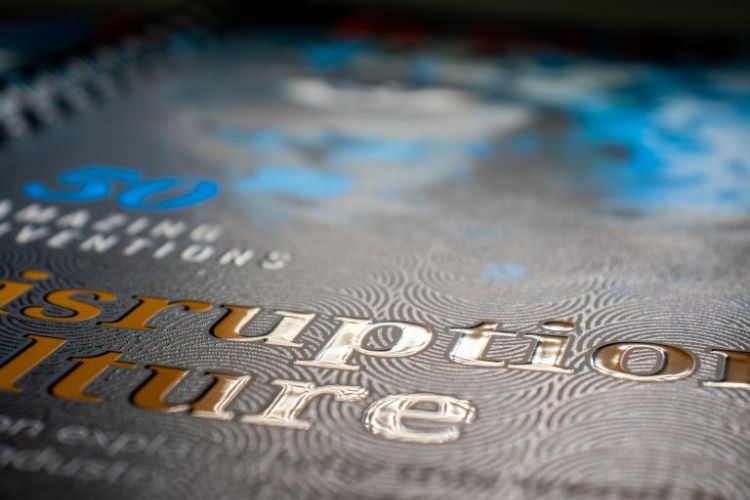
When it comes to selling a product, it is hard to understate how crucial packaging is. With so many purchasing decisions being made and so much competition, packaging can be a significant contributing factor, and more brands are considering how essential good packaging is. When packaging, the smallest detail can impact the entire design, from the label to the lid. That’s why embellishments are a crucial element of packaging as they can provide both a functional and design element to a product’s packaging. What is print embellishment Print embellishments are decorative applications that are part of the print finishing process,…
-
Why the Internet didn’t Eliminate the Need for Paper
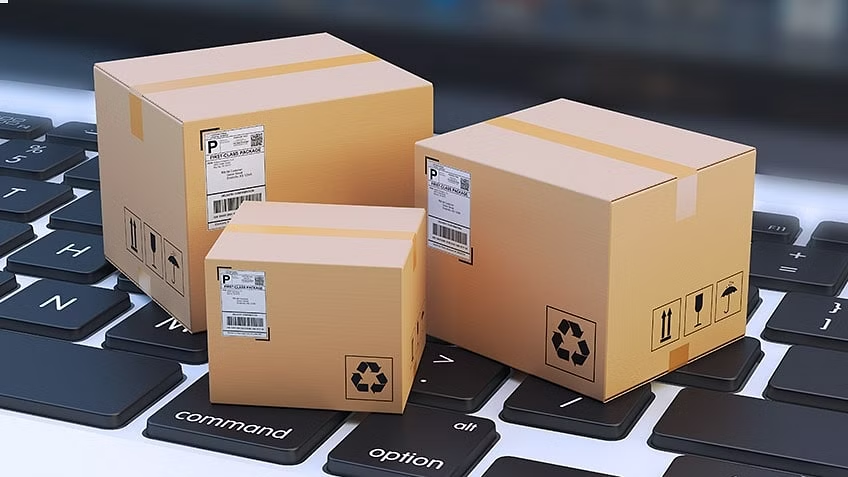
In recent decades, the Internet, together with information and communication technologies such as personal computers and mobile phones, has provided an electronic alternative to newspapers and printed materials. Indeed, emails and texts have replaced a substantial amount of traditional written communication, and cloud storage has emerged as a viable alternative to physical documents. Infact, nowadays, payment platforms text us receipts, and college admission decisions are posted online. Banks even charge for monthly statements sent through the mail. Initial Concerns for the Paper Industry At first glance, all this attention around the shift toward a paperless environment seemed to spell a bleak…
-
Digital Twin Technology: Paving the Way for Sustainable Flexible Packaging Solutions

Digital twin technology is widely adopted across various sectors, enabling industries, particularly production enterprises, to enhance their technological capabilities. This technology leverages physical models to construct 3D digital replicas of real-world production line data. It facilitates online management and control of physical entities through their virtual counterparts, bridging the gap between physical operations and digital monitoring. Introduction The printing industry plays a vital role in the national economy, serving as a key component and supporting industry. However, in recent years, it has faced challenges due to environmental regulations and other related policies. In contrast to traditional book printing, the flexible…
-
Recycling Symbol – Neatly Packed Confusion
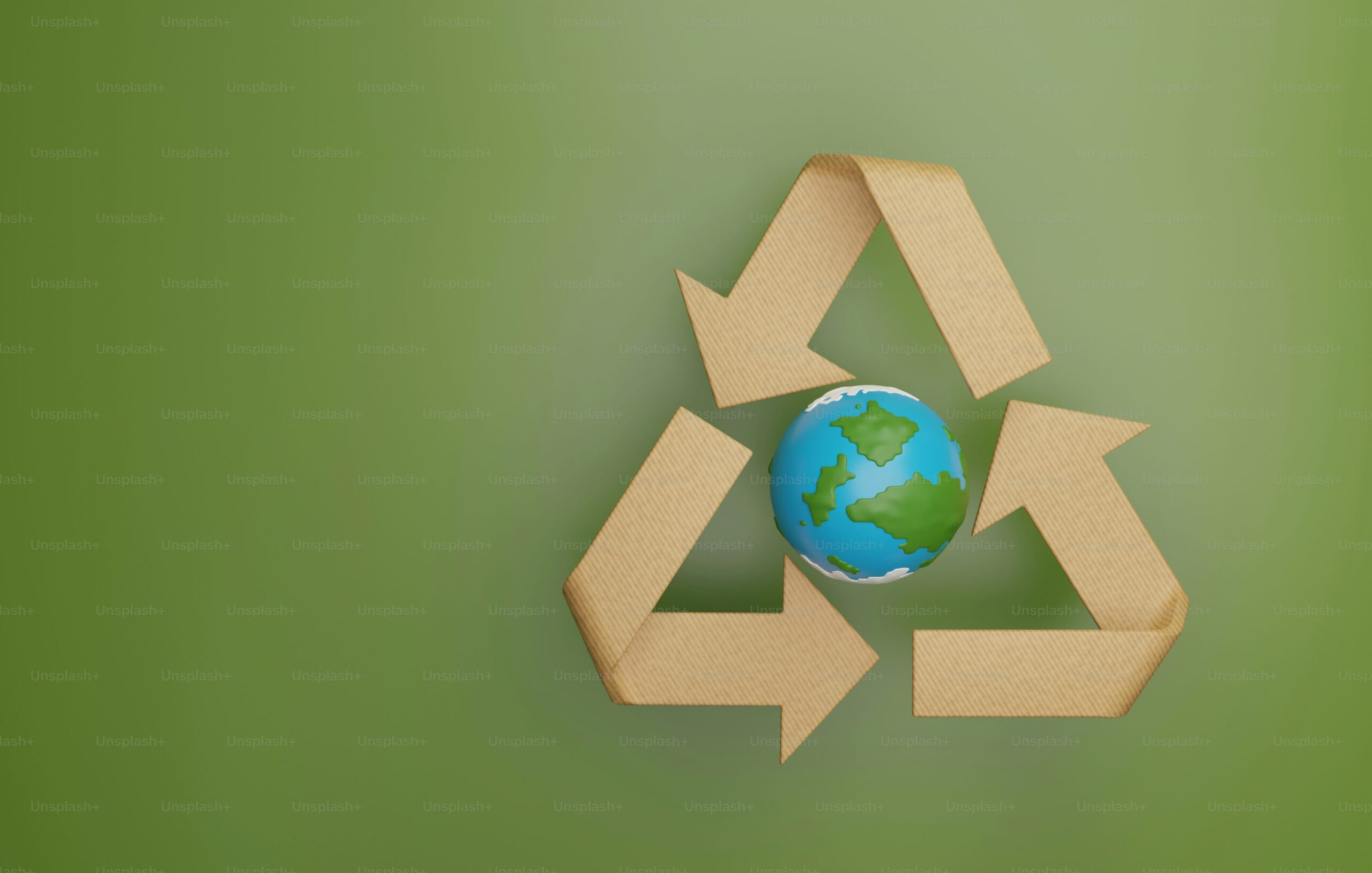
As per the United Nations Environment Program, only 9% of all plastic ever manufactured has been recycled. The recycling symbol, often referred to as the “chasing arrows” or “Mobius Loop,” is one of the most recognizable icons in the world. It signifies the concept of reduce, reuse, and recycle, and is intended to promote environmental sustainability. However, despite its widespread use, the symbol has become a source of confusion for many consumers. This confusion surrounding the logo has led California to ban its use on any non-recyclable product last year in October. Origins of Recycling Symbol In April 1970, an…
-
Making An Impression: Printing Presses on Screen in ‘Catch Me If You Can’
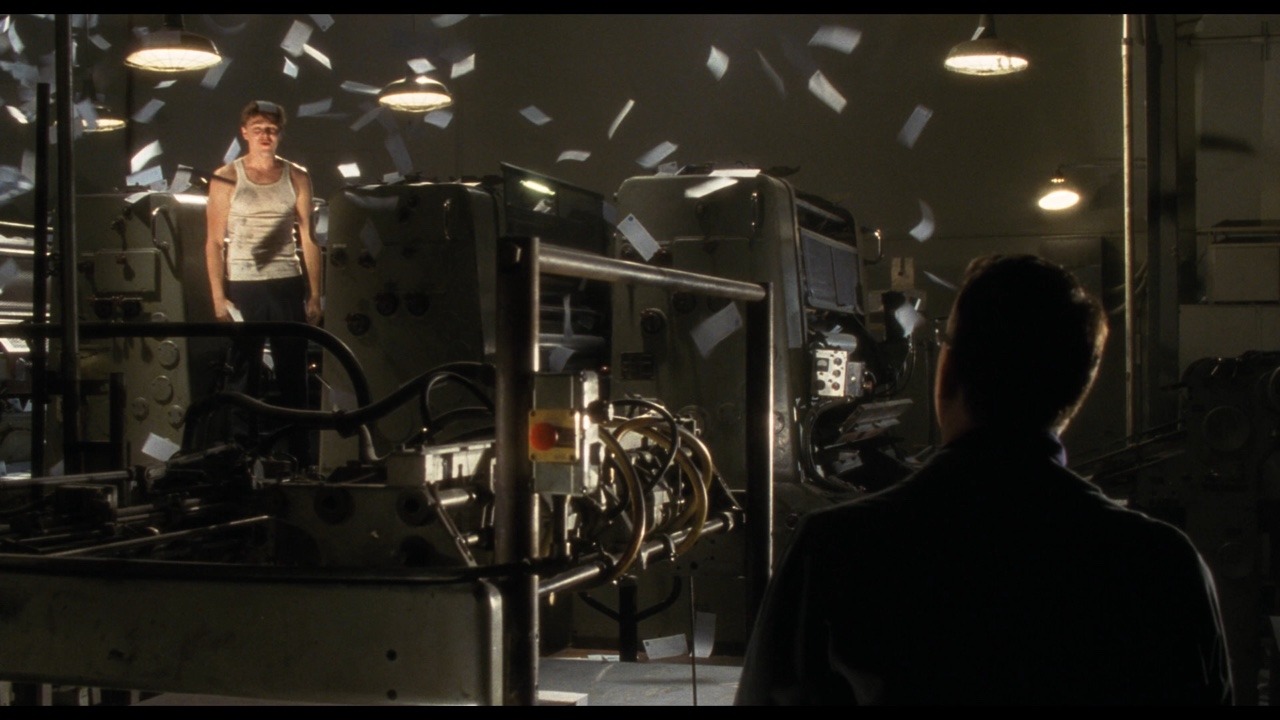
One can safely presume that there’s a little movie and television buff in all of us. After all, movies allow us to explore different worlds and experiences and find solace in the imaginary world of film. And nothing compares to the momentary thrill of personally and intimately connecting with a character, plot or scene, when something familiar to us appears on-screen. For those in the print industry, that moment is the feeling of awe when they saw the image of a printing press captured forever on a screen. It’s a rush and a reminder of the legacy that printing machines carry forward. You’ll probably admit that,…
-
India’s Pulp and Paper Market: Trends, Opportunities, and Challenges
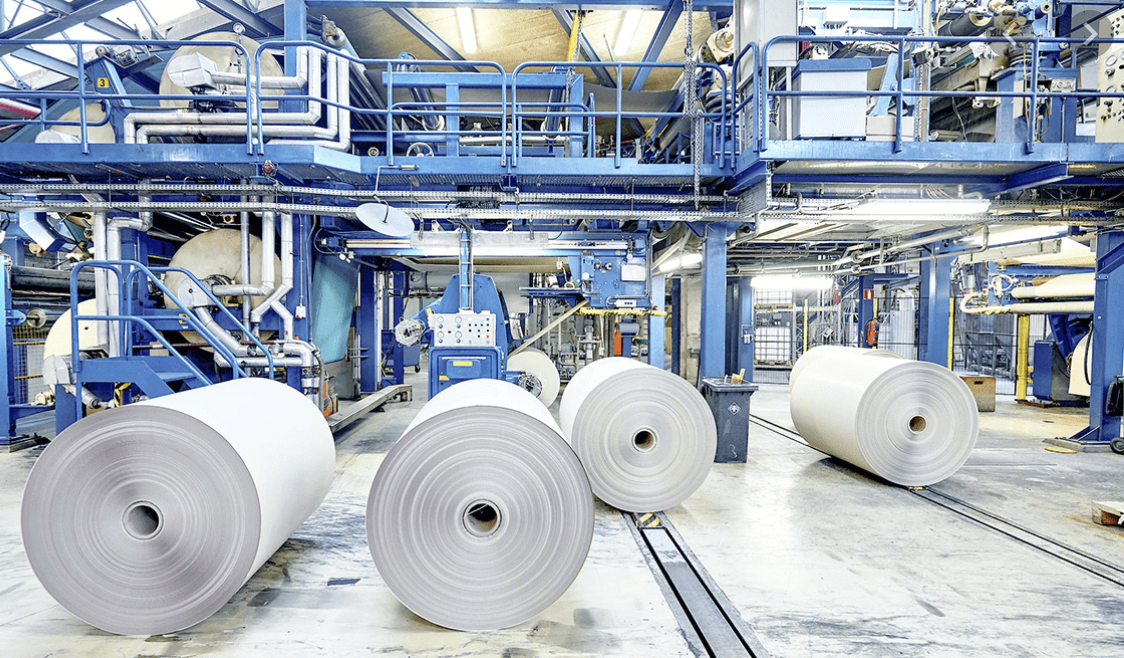
India’s pulp and paper industry is experiencing remarkable growth, positioning itself as one of the fastest-growing paper markets globally. According to recent reports from the Indian Paper Manufacturers Association (IPMA), the domestic consumption of packaging paper and paperboard is projected to rise at an impressive annual rate of 8.2%. “A million tons in capacity will be added. But it’s not as much about capacity as the focus on modernization, de-bottlenecking and replacing old technology. Around ₹5,000 crore of the investment will be on new technology to help lower carbon footprint,” IPMA president Pawan Agarwal said in a select media interaction…
-
Automation in Packaging for Streamlined Operations and Improved Productivity
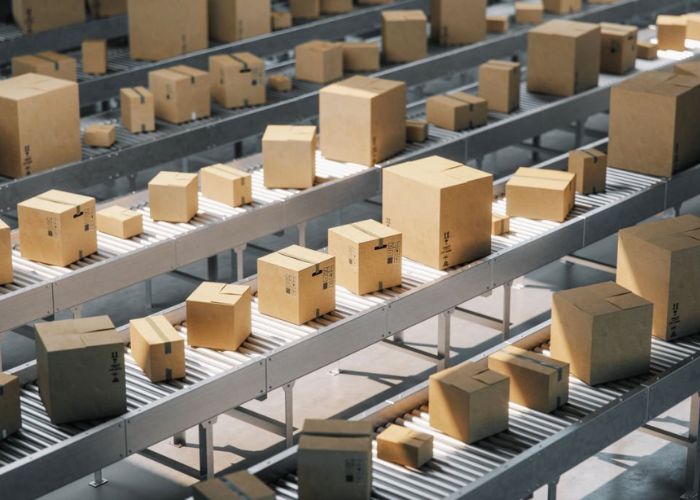
The transformative impact of automation on the packaging industry is undeniable, with efficiency gains and enhanced competitiveness as its hallmark benefits. Companies integrating automated systems speed up production while reducing operational costs, enabling them to meet the ever-changing consumer demands with agility. Packaging machines increase productivity and reduce inefficiencies, though production rates can vary considerably depending on the type of product packaged and the automated machinery used in the packing process. As with production lines, putting together automated systems for packing involves considerable thought, from design stage through to a completed system. While new technologies are changing what…
-
Automation in Flexo Printing: Enhancing Efficiency and Quality
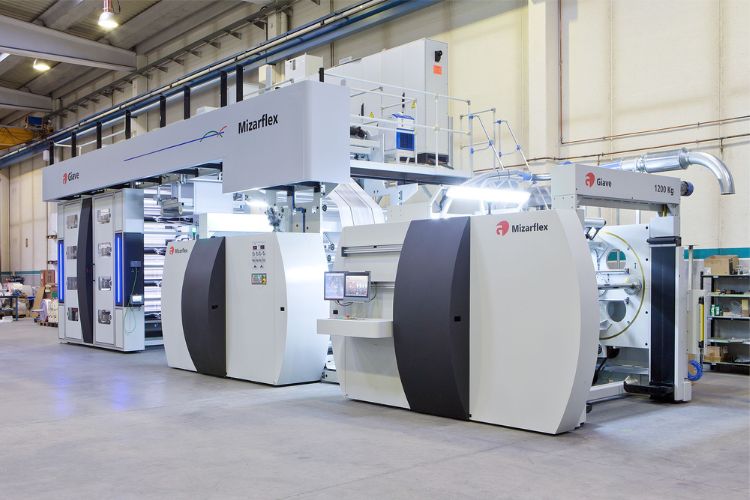
Flexography (flexo) has long been recognized for its versatility and cost-effectiveness in various printing applications, particularly in packaging. Its ability to handle a wide range of substrates and produce vibrant, high-quality prints has made it a popular choice for label, packaging, and specialty printing. However, the rise of digital printing in recent years has posed new challenges for flexo printers. As brands demand shorter print runs, faster turnaround times, and increased customization, flexo printers have had to adapt to meet these evolving needs. In response, technological advancements in automation have emerged as a key driver of innovation in the flexo…
-
Republic of Venice: The City That Launched the Publishing Industry
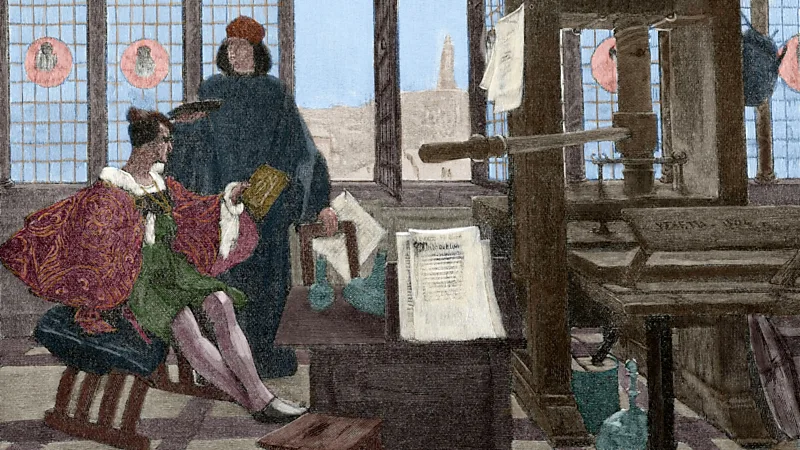
Although Germany is commonly associated with the birthplace of printing due to Johannes Gutenberg’s invention of the movable-type printing press in the mid-15th century, it was the Venetian Republic that significantly advanced the development of the publishing industry. A Fertile Ground for Knowledge Exchange It was in Venice that Gutenberg’s invention really took off. “Venice became the most important city for the printing industry in the first century since the printing press was invented,” says Rosa Salzberg, an Early Modern historian at the University of Trento. “Prospective bookmakers could find both the capital and the skills needed to make books…
-
The Everlasting Impact of Print in Marketing: How Print Continues to Engage Audiences in the Digital Age
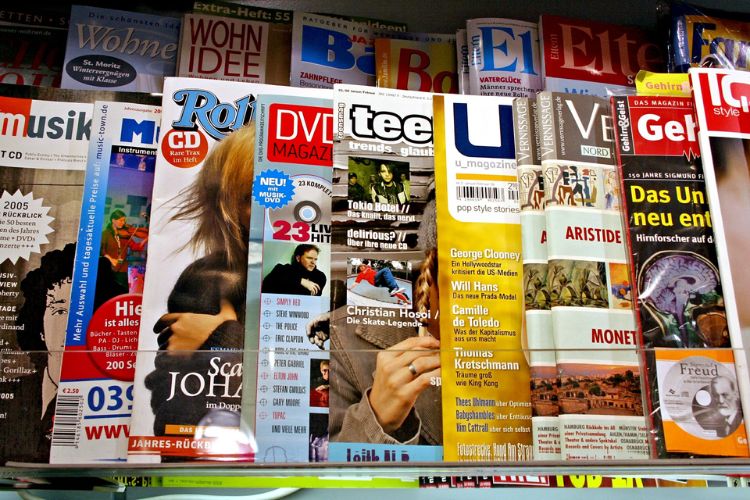
The partnership between print professionals and marketers has long been established due to their shared objectives. Marketers are responsible for relaying messages, and print is among the oldest means of communication. Hence, marketers and printers depend on each other. However, the introduction of digital media has changed this association. To what extent has digital marketing impacted the printer/marketer partnership? Is print still necessary for marketers? Evidence suggests it does as print remains a valuable tool for marketers, thanks to its authenticity, tangible nature, and versatility. Those in the print production industry who grasp how marketers currently utilize print will be…
-
Automation is Not Just for Short-Run Booklet Making

Automation in bookletmaking is no longer just a trend for short-run jobs; it has become essential for commercial printers striving to remain competitive in today’s print landscape. With a diminishing pool of skilled labor entering the industry, the demand for fully automated and user-friendly equipment is more critical than ever. The benefits of automated bookletmaking are numerous, including enhanced efficiency, significant cost savings, and superior quality with diverse finishing options. By investing in solutions that accommodate smaller quantities, variable data, and thicker applications—all while ensuring faster turnaround times—print service providers can thrive in the digital age. These advanced capabilities not…
-
Fascinating Realm of Fonts: Unveiling Monotype’s Dominance in the Industry
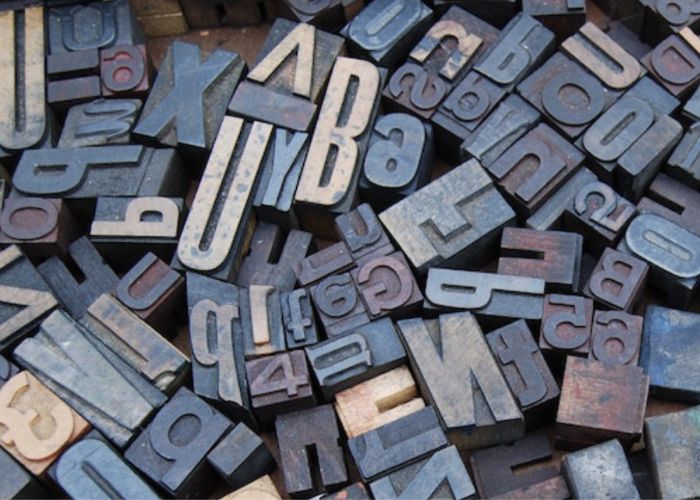
Let’s start with a joke! Helvetica, Times New Roman and Comic Sans walk into a bar. The barman turns to Comic Sans and says, ‘Sorry we don’t serve your type in here.’ Well, the barman may not like to serve them, but fonts (of all types and sizes) serve us all. They shape the visual language of the world. We are all font consumers: we all interact with, and consume, a vast array of fonts every day of our lives and most of the time we do this without being consciously aware of it. They influence what we read and affect our choices…
-
Digital Twin Technology for Primary Packaging

Manufacturers are facing increasing pressure to provide information about a product to their supply chain partners, legal departments, marketing teams, regulatory bodies, and other stakeholders even before the product is physically created. To meet these demands, manufacturers are increasingly leveraging packaging innovations such as a “digital twin” of a product before the real product exists. In other words, they create virtual space in a web browser and other digital environments in which they can see and “feel” the product long before it’s manufactured. Twin Technology Digital twin technology refers to the creation of a virtual replica or digital counterpart of…
-
Smart Connected Packaging – Transforming Packaging into an Interactive Brand Tool

In the last couple of decades, digitalization and advances in personal computing, and mobiles have significantly reshaped consumer behaviors and their expectations with it. These innovations are creating new frameworks for the development of smart and intelligent applications in packaging to communicate product information in a more interactive manner. Especially since the origin of barcodes, many digital technologies have continually been tested to bring reforms to retail experiences. And once again product packaging is at the center of these developments. And smart connected packaging is playing a leading role in pushing evolution forward in a big way. What exactly is smart connected…
-
The Role of 3D Smart Sensors in Automating Packaging and Logistics

Packaging & logistics involves a complex supply chain to connect sellers and customers for the transfer of retail goods. Different stages of the chain require package measurement, quality inspection, and material handling optimization—which many companies currently carry out manually. With the magnitude increase in retail purchases made online, the need for manufacturers to automate their warehouse processes has become a top priority. Smart 3D sensors are one of the key drivers of greater factory automation for these processes 3D smart sensors are a powerful tool that can be used to improve automation in packaging and logistics. These sensors offer a…
-
Remnants of Legendary Doves Typeface Found After Over 100 Years

The Doves Typeface legend is one of the most enduring in typographic history and probably the most infamous. It’s the story of a typeface and a bitter feud between the two partners of Hammersmith’s celebrated Doves Press, Thomas James Cobden-Sanderson and Emery Walker leading to a protracted disposal of their metal type into London’s River Thames. Piecing together the history The Doves Press was founded in 1900 in Hammersmith, London, by Thomas James Cobden-Sanderson, with Emery Walker joining him the same year as his partner. The venture proved hugely successful; their five volume “English Bible” made the press a large profit.…
-
Global Printed Books Market Size, Share and Growth Analysis

In early 2000s, when e-readers such as Amazon Kindle started gaining popularity, it was supposed that the rise of these devices marked the death of print books and independent bookstores in the future. And when in 2011, Borders declared bankruptcy, the book world was seized by collective panic over the uncertain future of print. But contrary to those predictions, printed books have proven to be resilient and have managed to adapt to the changing landscape of the publishing industry. While e-readers and digital platforms have undoubtedly impacted the way we read and access books, the dreaded digital apocalypse never…
-
Typography and Its Importance in Labelling

When it comes to product packaging labels, topography stands side by side with color and imagery in their role to grab the consumer’s attention, communicating the product information and conveying brand message. It is the style and art of arranging the text to make it readable and appealing in display. Think of it as an exclusive art wherein designers specialized in it must seek to maintain an equilibrium between visual and written elements for an effective packaging design. It helps in defining the brand with clarity and setting the proper tone to sell the product. Importance of typography In Packaging Design:…
-
Internet of Packaging (IoP): Transforming Packaging Industry
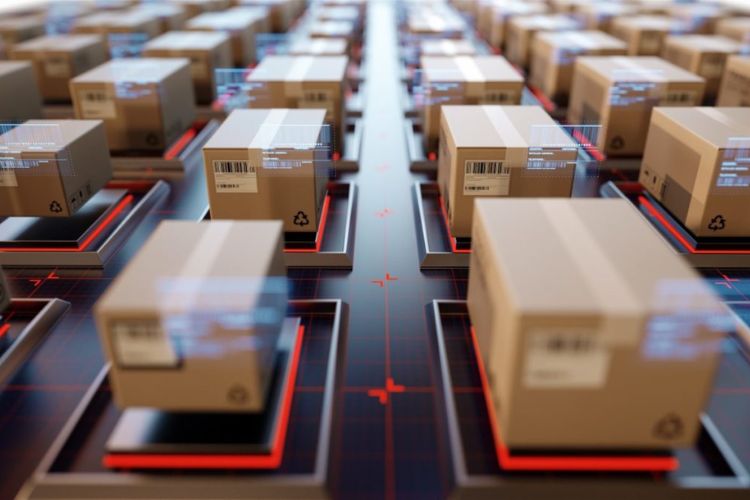
The Internet of Things (IoT) has already transformed various industries, and now it’s making its mark on the packaging sector. IOP (Internet of Packaging) is a conceptualization of Internet of Things (IOT) into digitally enabled consumer packaging items. The evolution of IOP is largely technology-driven going from traditional barcodes to QR-codes, to passive digital identifiers like RFID, and into more complex and interactive digital universes driven by e.g. NFC tags embedded in packaging materials and augmented reality. The Internet of Things is taking hold, helping packaging providers make the move from being merely reactive to being predictive. Subsequently, opportunities…
-
The Revolutionary Role of 3D Printing in Transforming Businesses
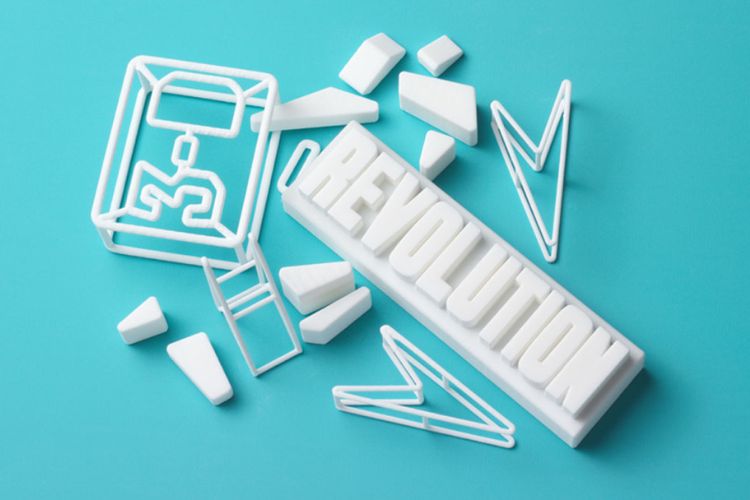
In today’s fast-paced and interconnected world, technology is playing a pivotal role in shaping the way businesses operate and thrive. With each passing day, new advancements and innovations are opening up exciting avenues for businesses to explore and leverage. One such groundbreaking technology that is revolutionizing industries is 3D printing. Also known as additive manufacturing, 3D printing has emerged as a game-changer, offering numerous benefits and unlocking unprecedented possibilities for businesses across various sectors. What is 3D Printing? 3D printing, also known as additive manufacturing, is a revolutionary technology that allows the creation of three-dimensional objects from digital designs. Unlike…
-
Digitally Printed Packaging – Effective Advertising Channel

The packaging industry has been undergoing a great transformation in the past few years with new developments in digital print leading the way. Digital printing has given brands and businesses new opportunities to engage with their customers in a more interactive manner. The new advances in Inkjet technology are seeing a lot of developments in prepress workflow automation in addition to workflow integration and digital finishing. It supports a diverse range of faster presses and substrates, thus providing more options in packaging designs by integrating digital and conventional printing methods. Digital package printing as advertising tool Digital printing is now being used…
-
Automation in Die Cutting Process for Zero Waste Manufacturing

A sustainable future for packaging involves manufacturing folding cartons and corrugated boxes using highly automated printing and converting lines operating according to centrally stored data and digitally connected throughout the entire value chain. With keeping waste during manufacturing at the minimum as their goal, businesses around the world are putting in efforts and resources to keep manual intervention as little as possible. So does converters who are implementing more automation in the die-cutting process to optimize their operations, speed up production and thus increase their productivity with zero wastage. It allows them to remain in sync with market demand and trends of…
-
Repackaging: Shaping Buying Decisions and Attracting Customers
Jeff Bezos famously said, “Your brand is what other people say about you when you are not in the room.” Marketers are continuously being confronted with new difficulties in the consumer market. Enduring major changes in the economy, in addition to growing competition from private brands, is a significant challenge. So, consumers are bombarded with an overwhelming amount of information, brands are constantly looking for ways to stand out from the crowd. One of the tactics that brands use to grab users’ attention is repackaging. Repackaging is the process of changing the packaging of a product without altering its…
-
Medical Packaging Market: Trends and Market Insights

The pharmaceutical industry is witnessing a significant transition, and the focus on the development of biopharmaceutical drugs has considerably grown over the past few years. Pharmaceutical drugs are majorly offered in tablet, capsule, liquid, and powder forms. Various packaging types, including rigid bottles, standup pouches, flat pouches, sachets, and blister packs, are used for their packaging. Packaging companies increasingly focus on incorporating dispensing mechanisms, administration aids, sustainable material, tamper-evident properties, and counterfeiting measures into the packaging to enhance their functionality and safety. With the growing demand for advanced healthcare products and the increasing need for cost-effective and sustainable packaging…
-
Convergence in the Print Industry: Unlocking Growth Opportunities

The print industry is undergoing a significant transformation as print service providers (PSPs) are expanding their offerings beyond their core segments and entering new markets. This phenomenon, known as convergence, is driven by various factors such as changing customer demands, new technologies, competitive pressures and emerging opportunities. Convergence can help PSPs diversify their revenue streams, enhance their value proposition, reach new customers and differentiate themselves from their competitors. However, it also poses some challenges such as acquiring new skills, investing in new equipment, adapting to new workflows and regulations, and facing new competition. In this blog post, we will explore…
-
Recyclability vs. Sustainability in Packaging

Sustainability and recyclability are two interconnected yet distinct concepts when it comes to addressing environmental concerns. While both concepts aim to promote eco-friendly practices, they hold different meanings and implications. Understanding the difference between sustainability and recyclability is crucial for developing comprehensive strategies to protect our planet and create a greener future. Understanding Recyclability in Packaging Recyclability refers to the ability of a material to be collected, processed, and transformed into new products. It focuses on the end-of-life stage of packaging, emphasizing the importance of diverting waste from landfills and reducing the demand for virgin resources. Recycling plays a significant…
-
The Role of Print in Marketing: How Print Continues to Thrive in Digital Age?
The partnership between print professionals and marketers has long been established due to their shared objectives. Marketers are responsible for relaying messages, and print is among the oldest means of communication. Hence, marketers and printers depend on each other. However, the introduction of digital media has changed this association. To what extent has digital marketing impacted the printer/marketer partnership? Is print still necessary for marketers? Evidence suggests it does as print remains a valuable tool for marketers, thanks to its authenticity, tangible nature, and versatility. Those in the print production industry who grasp how marketers currently utilize print will be…
-
Print: Yesterday, Today and Tomorrow
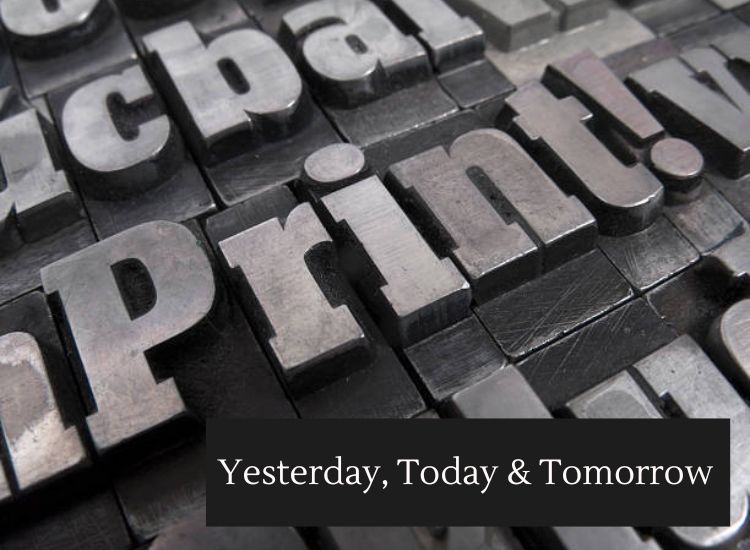
In the beginning, was word, then it was printed and had dwelt among us ever since! The printed word has been around since the invention of the printing press in 1440. From then until today, the printed word has been used to bring information and ideas to people around the world. It’s a powerful tool to spread knowledge and understanding, and it still remains an important part of our lives. While some argue that we are progressing towards a paperless society, the reality is far from it. Sure, it is true that billing and invoices are often handled electronically these…
-
Printing Machines Making a Guest Appearance in Movies
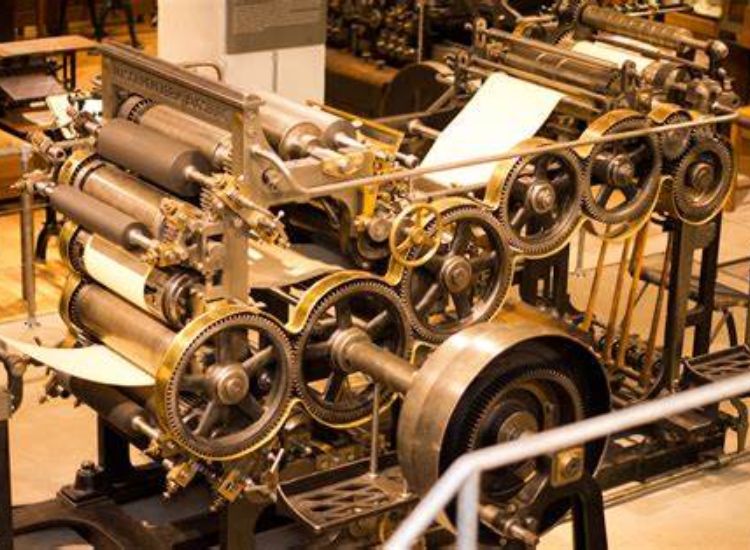
One can safely presume that there’s a little movie and television buff in all of us. After all, movies allow us to explore different worlds and experiences and find solace in the imaginary world of film. And, nothing compares to the momentary thrill of personally and intimately connecting with a character, plot or scene, when something familiar to us appears on-screen. For those in the print industry, that moment is the feeling of awe when they saw the image of a printing press captured forever on a screen. It’s a rush and a reminder of the legacy that printing machines carry forward. While cinema may not…
-
Deprinting- A Technology That Makes Paper Reusable for Printing
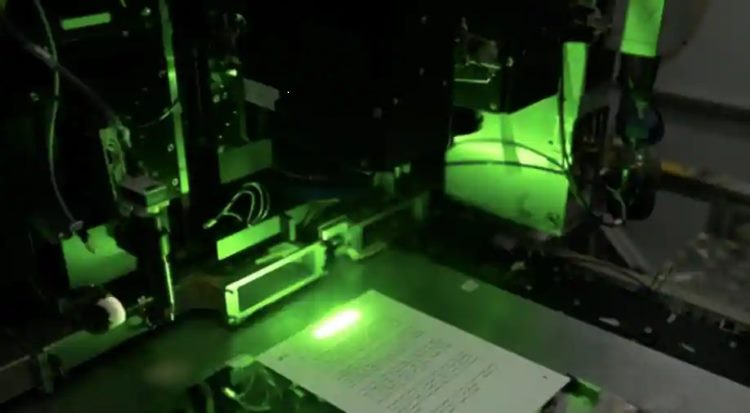
Fortune reported that 94% of Fortune 1000 companies had supply chain disruptions due to COVID-19, and 75% reported negative impacts on their businesses. And the print industry is no exception which has seen significant shortages of raw materials like paper and ink. Additionally, current disruptions have also resulted in increased costs of substrates as well as consumables. Member countries of the World Print & Communication Forum (WPCF), have warned that the current paper shortages will have severe repercussions in the supply of print products for all economic markets and are endangering the sector’s rebound after the coronavirus pandemic. Paper shortages…
-
PostScript Source Code Made Public After 40 Years of Its Creation

The story of PostScript “is a story about profound changes in human literacy,” argues Silicon Valley’s Computer History Museum, “as well as a story of trade secrets within source code.” And 40 years after it’s creation…The Computer History Museum is excited to publicly release, for the first time. Adobe’s ground-breaking PostScript technology is now available to the public for the first time, thanks to the Computer History Museum (CHM)! The museum has been granted the right to redistribute it, and Adobe founder John Warnock was even directly involved in the publication. PostScript is widely recognized as the first successful implementation…
-
Supply Chain Challenges in Print Industry

Surging demand, supply chain disruptions and sharply rising costs have significantly altered the economics of various industrial sectors at large. Fortune reported that 94% of Fortune 1000 companies had supply chain disruptions due to COVID-19, and 75% reported negative impacts on their businesses. And print industry is no exception which has seen significant shortages of paper and ink as well as delays in the shipping of available materials. Disruptions Affecting the Printing Industry The current disruptions in the supply chain have resulted in increased costs of substrates as well as consumables, especially paper and ink. In addition to that, there…
-
Latest Trends in Packaging

Packaging has witnessed a significant change in recent periods wherein it has evolved from its role of merely protecting and preserving to emerge as a marketing medium to differentiating, positioning brands and providing more consumer values. And to harness its potential, the packaging industry is adopting smart and sustainable solutions to market its products and compete more effectively. So, what are these latest trends in packaging that are redefining packaging and its role? Internet of Packaging The Internet of Packaging is a term that refers to the growing trend of connecting physical objects and products to the internet. This includes everything from…
-
Beverage Can – A Complete Overview

Beverages cans are metal containers designed to hold fixed amount of liquid beverages such as alcohol, caffeine, carbonated beverages, tea, energy drinks, etc. They are manufactured using either aluminum or steel and are highly recyclable. The cans are witnessing an increase demand among the beverage manufacturers owing to their sustainability and recyclability without any degradation. According to Fortune Business Insight, “The global beverage cans market size was USD 25.31 billion in 2019 and is projected to reach USD 36.59 billion by 2027, exhibiting a CAGR of 4.7% during the forecast period”. The design Every year or so nearly a…
-
Aluminum Foil Bags for Food Packaging

The manufacturing industry goes to great lengths to ensure the quality of the products that are produced and it put equal effort into safeguarding the products against any damage. And here packaging plays an important role- be it food, pharmaceutical products or electronics- the end goal is the same; to deliver high quality products to customers without any deterioration, especially during storage and transportation. And here aluminum foil bag offers an incredibly versatile type of packaging that is invaluable for protecting goods in a wide and very diverse range of industries, particularly in the food industry. However, due to its malleable…
-
Digital Label Printing

Labels are an essential and ubiquitous print application. Though they may be small in size, labels play a big role in promoting products and providing information. Whether it has instructions on how to use a product, nutrition information, or just a design to catch the consumer’s attention, each label has its own unique role in the product. With such a large number of products on the market today, there is a high demand for label printing. Label printing is the process of printing custom labels through various methods. These methods include digital printing, flexographic printing, and wide-format printing, all of which yield different…
-
Fast Food Packaging: Contributing to Plastic Pollution

The word ‘Fast Food’ evokes the appealing imagery of greasy burgers, crispy fries or cheesy pizzas with layers of pepperoni in the minds of most people. An affordable and convenient fast meal that bodes well with our need for instant gratification. However, one cannot overlook their adverse effects on our health on a long-term basis. And this grab-and-go culture is hurting more than our waistlines. Now, these fast food outlets have become significant contributors to plastic packaging littering. Why are we in this mess? Food Packaging Food packaging serves to safeguard food against any contamination from external factors be it physical, biological or…
-
Blister Packaging

Blister packaging, or blister packs, are pre-formed packaging materials with a thermoformed plastic cavity and a pliable lid. A thermo forming process is used to create a cavity or pocket made from a formable transparent plastic web, the size and shape of which is determined by the product for which it is required. This cavity or pocket is typically heat sealed onto an adhesive coated cardboard or foil to trap the contents in place underneath creating a typical blister pack. That’s why blisters can be made in any shape, a uniform shape to protect tablets, for example, or an unusual…
-
Inflationary Pressure Driving the Packaging Prices Up

For the past 2 years, it has been a challenging time for manufacturers all around the world. The supply chain disruptions due to the Covid pandemic and Brexit on its close heel highlighted once again how interlinked supply chains are globally, affecting both supply and demand. While things started to stabilize toward the end of 2021 owing to lockdown restrictions being lifted in most countries, global instability and inflation resulted in an irregular flow of raw materials and finished consumer grounds. And the packaging industry too is being subjected to inflationary pressure and its supply chain remains vulnerable to cost increases. …
-
Bubble Wrap Packaging

What started out as an attempt at stylish home décor ended up revolutionizing the packaging world as well as the shipping industry and protecting billions of products shipped worldwide each year. Alfred Fielding and his friend were trying to create appealing textured wallpaper and they put two pieces of plastic shower curtains through a heat-sealing machine but ended up with a sheet of film with trapped air bubbles. It took nearly 3 years before a marketer at Sealed Air named Frederick Bowers discovered a better use for this film trapped with air bubbles. He realized that material would work perfectly for protecting newly-designed IBM computers…
-
Barrier Coatings for Paper and Board Packaging

Effective barrier protection in packaging, especially in the F&B industry. A significant change is occurring in the packaging and food industries as demand increases for sustainable, recyclable packaging solutions, including effective barrier protection against oils, grease and water. The increased awareness of consumers and brand owners and the plastic ban regulation provide an excellent opportunity to create paper and paperboard-based packaging solutions. Many countries have put stringent regulations in place to ensure recyclability, downsizing, and down-gauging become top priorities for manufacturers and multinational companies. However, there are several challenges in using paper or paperboard for packaging, having poor barrier abilities being the top…
-
Flexible Packaging

For versatility and to extend the shelf life of the product. Flexible packaging is a means of packaging products using non-rigid materials, which provides more economical and customizable options. It is a relatively new method in the packaging market and has grown popular due to its high efficiency and cost-effective nature. This packaging method uses a variety of flexible materials, including foil, plastic, and paper, to create pouches, bags, and other pliable product containers. Flexible packages are particularly useful in industries that require versatile packaging, such as the food and beverage, personal care, and pharmaceutical industries. It is a crucial…
-
The Philosophy of Designing Printing Presses

Modern-day printing presses are built to last and deliver high quality results. The story of modern-day printing presses kind of starts at the beginning of the 19th century as the German engineer Friedrich Koenig, along with watchmaker Andreas Friedrich Bauer introduced a high-speed steam-powered printing press, which could print up to 1,100 sheets per hour. A far cry from Gutenberg’s press that could deliver 240 sheets per hour and the then competition Stanhope’s hand-operated press that could dish out at a speed of 480 per hour and laid the foundation on which all later printing machines were built. If the…
-
Corrugated Boxes – Durable and Reliable Choice for Shipping

Your online product has just been delivered to you, and chances are that it is packaged in a corrugated box. In fact, the majority of products ranging from electronics, snacks, farm produce, merchandise, and beverages to household goods, everything is shipped in them. And the reason, well, they can be made into different properties, strengths, and shapes to cater to product specific packaging requirements. For instance, you can use heavy-duty bins for pumpkins, trays for fresh produce, pizza boxes or Amazon boxes sturdy enough to withstand the extreme shipping conditions. This reliability is a result of decades of engineering expertise…
-
Liquid Packaging

Liquid packaging is extensively used in various industries largely due to its properties such as tear and heat resistance and loss of moisture. Liquid packaging is a multilayer package with the appropriate barrier coating to protect the liquid products such as dairy products, juices, soups, and sauces from leaking out or against any damage, especially while being transported. In addition to that, they preserve the freshness of enclosed items and keep them from going stale. Some of the types of liquid packaging can maintain odor and taste neutrality as well. The largest end-use industry of the liquid packaging market is…
-
Shrink Wrapping for Efficient and Agile Packaging

Shrink wrapping is an adaptable multipurpose packaging that has a wide range of applications spanning various industries, especially for its ability to provide protection during transportation and maintain the freshness of food items. It involves using a heat-sensitive film that shrinks when subjected to heat and adapts around the product according to the shape to create an air-tight barrier. The barrier prevents oxygen from reaching the food inside, thereby reducing the decomposition rate and increasing the shelf life of enclosed food. The shrink packaging primarily consists of high-quality polyolefin film which is transparent, low weight and chemical resistant. It provides a clear, sparkling and completely…
-
Benefits of Digital Print Packaging to D2C Brands

The pandemic-induced business restrictions and resultant supply chain disruptions have dramatically transformed industries at large and caused a global paradigm shift towards digitalization en masse. Not only have they negatively affected conventional businesses but simultaneously catalysed a significant rise in the growth of D2C brands owing to changes in the buying habits of consumers and innovations in the digital space. The D2C model enables manufacturers to handle the entire distribution channel from end-to-end with complete control and they are able to deliver a better brand experience. Moreover, by bypassing conventional retail distribution partners, they increase their margins as well as get…
-
5 Sustainable Inks for Printing with Flexo

“The need for eco-friendly products will only increase over time as regulations tighten and public awareness of environmental issues continues to grow,” confirmed Toyo Ink corporate communications officer Yu Adachi in 2010. There has been a rise in sustainable inks as well as printing techniques usage as label and packaging industry is making efforts to drive down its environmental impact. Sustainable inks are not only eco-friendly but do result in reducing printing costs as well, especially in flexographic printing. In recent years flexographic printing has grown to be the most used print technology when it comes to label and packaging printing. Flexographic…
-
Printing Inks and Safe Food Packaging

The packaging of food is an essential medium for preserving food quality, decreasing the wastage of food and also reducing preservatives used in food. And printing inks play a critical role in food safety as it may come into contact with food due to ink migration or the nature of packaging. In this article we will discuss factors that need to be taken into consideration before deciding upon the type of ink for printing on the packaging. Food Packaging Food packaging must be manufactured such that it does not transfer its constituents to the packed foodstuffs in quantities which could…
-
The History of Ink in Printing Industry

Historical Overview The roots of the printing press date back to the 10th century, when printed images were produced in Japan, and perhaps in China, from cut wooden blocks. The first movable type appeared in China in the 11th century while wooden type appeared in 14th century. On the other hand, book production from woodblocks was introduced early in the 15th century in Europe. Later, in the middle of the 15th century Gutenberg came up with cast metal type. And all these inventions were the basis of letterpress printing – the original printing method. The early printing process was…
-
RGB & CMYK: The Distinction

RGB & CMYK: The Distinction Here’s a question every newcomer in the print industry might have asked – why do we have 2 two color modes and RGB can’t be used for print? Well, you technically can as they are mostly colors. However, you shouldn’t. In this blog we’ll understand the difference between RGB and CMYK color modes, how they work, and when it’s best to choose one over the other. Why the RGB and CMYK Difference Is Important in Graphic Design If you don’t understand the basic difference between RGB and CMYK, you may end up printing marketing materials…
-
History of Color Printing

Color printing was a major step forward for making art and literature more popular. From the cave paintings of prehistoric Europe to scribing on parchment in Ancient Greece, color printing has evolved and developed over time. In this blog, we’ll take a look back and over color printing history and explore how we have got the sophistication and impressive quality we see today. Traditional East Asian method of printing text and images involved woodblock printing, similar to woodcut technique in the West. The technique of printing a number of colors by using multiple blocks, where each block is…
-
History of Typography

Our everyday routine is built on letters and fonts that we use to get our work done or express ourselves. If we were to pause and look at them a second too long, there is the danger of recognizing these fonts not just as a part of a word or sentence, but as evidence of human history. The story of typography is as old as human history itself. In this post we will delve deep into its origin and share insights into its evolution. Pictograms The earliest forms of writing traces its roots back to pictograms – first discovered…
-
Speedmaster SX 74

Invest in a Printing Press That is Powerful and Proven. The Speedmaster SX 74 is a reliable solution for the medium-size format range for economical printing of traditional commercial jobs like brochures and advertising mailers. Equipped with the latest technology, it provides flexible processing of different production run lengths. With short makeready times, printing speeds of up to 15,000 sheets per hour, and optionally with high-pile delivery, perfecting press, or UV technology, the Speedmaster SX 74 is designed for high productivity at all times. Thanks to the Prinect Press Center 3 control station, it is easy to operate and can…
-
Mouvent LB701-UV

PHOTO CREDITS:Photo by Rudy and Peter Skitterians on Pixabay. Enter the improved world of digital label production Quality, extended colour gamut printing capability, including white ink, high productivity and sustainable economics are all that you get in Mouvent LB701-UV. And you get all of that in one complete package. High productivity with minimum intervention Low-investment digital label press with best TCO Efficient ergonomics and intuitive user interface Increase productivity and capacity with easy upgrade The Bobst Group Global Service Advantage As part of the Bobst Group, Mouvent has access to one of the most comprehensive service solutions and largest network of technicians. BOBST’s…
-
History and Evolution of Printing

Printing technology still stands as one of the most disruptive innovations in human history. It single handedly improved the way information was distributed, increased literacy and reformed societal order. Today, one cannot imagine any aspect of human life that remains untouched by printing technology. In this article, we’ll explore the origin story of this very fascinating and omnipresent industry. The Timeline of Printing:- Woodblock Printing – The Finest Vintage Prints The earliest surviving woodblock printed fragments are from China. They are of silk printed with flowers in three colors from the Han Dynasty (before 220 A.D.). The earliest examples…